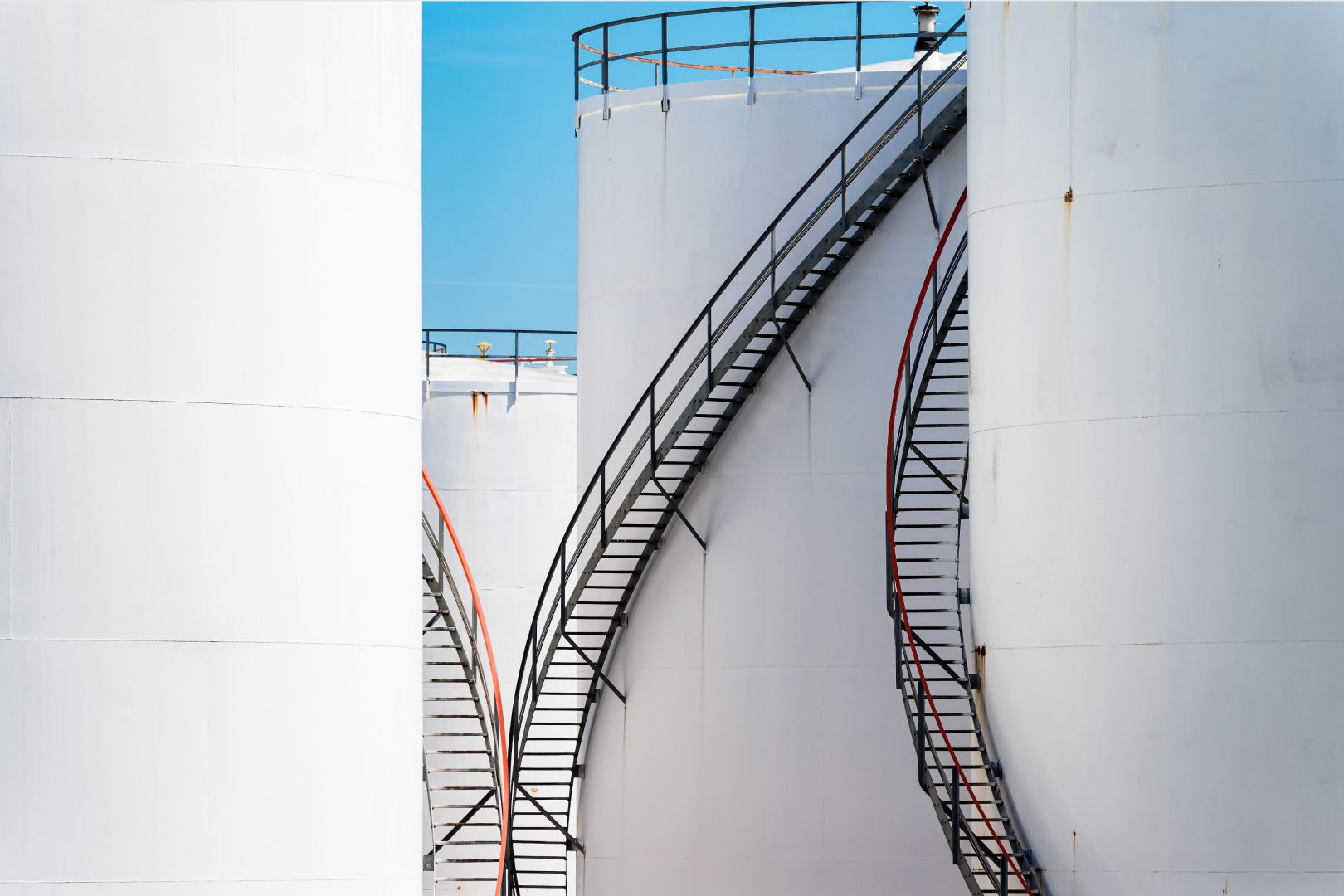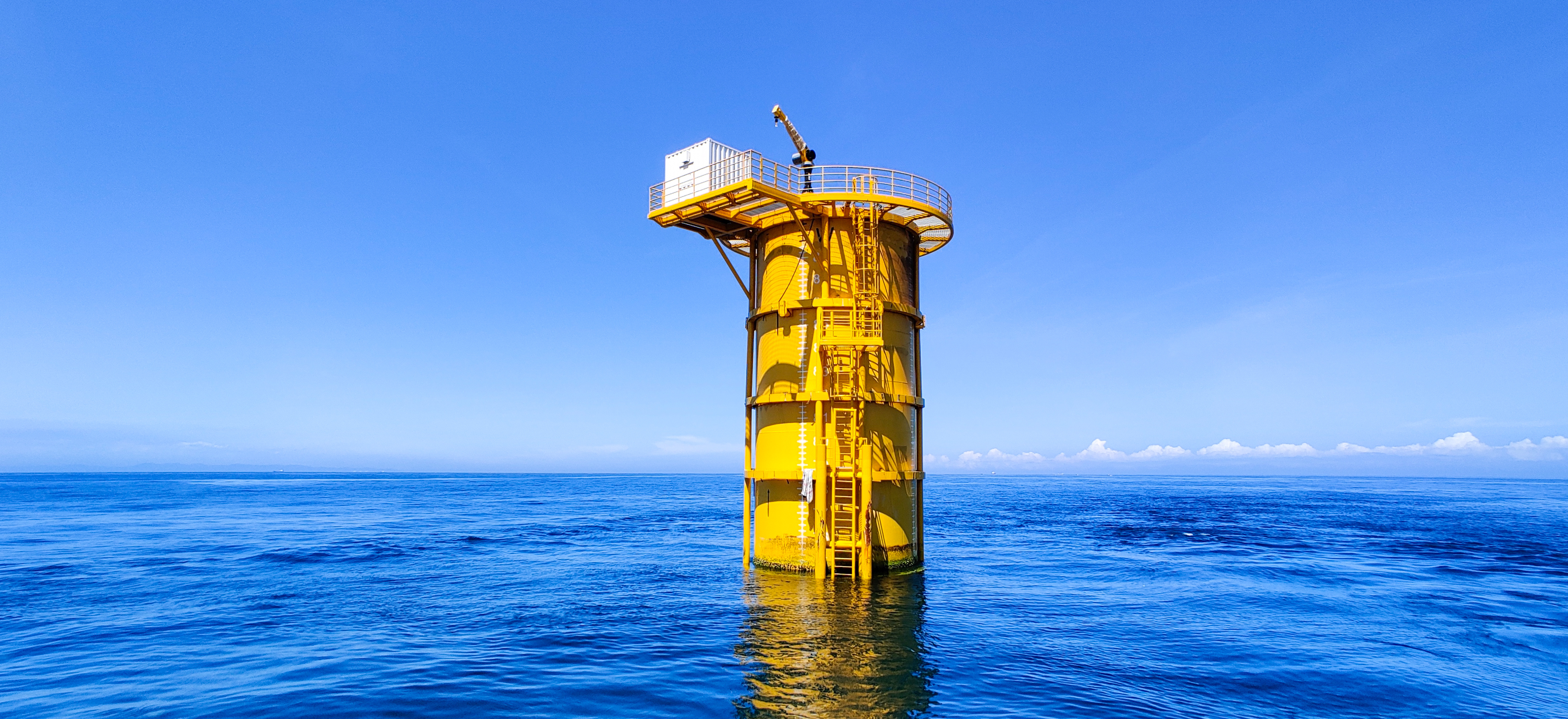
Across the North Sea and major production regions worldwide, offshore platforms, subsea systems and pipeline networks continue to operate as critical infrastructure. Designed for decades of service, these assets remain essential to global energy supply, even as decarbonisation efforts gather momentum.
According to the International Energy Agency (IEA), under existing policy scenarios oil and gas production and use continue through to 2050, with major producers such as the United States remaining significant suppliers throughout that period. This projection reflects a system reality: while the energy mix is evolving, existing hydrocarbon infrastructure will remain operational for decades.
Investment in renewables and nuclear is accelerating and grid systems are strengthening. Oil and gas, however, continue to underpin industrial stability and energy security. The focus, therefore, is not abrupt replacement, but disciplined stewardship of long-life assets.
In established basins such as the North Sea, operators are extending asset lifecycles through reinvestment, electrification and improved emissions management. Internationally, LNG terminals, pipeline networks and offshore platforms represent multi-decade industrial assets that demand uncompromising safety standards and rigorous operational oversight.
For operators, performance is the priority. Ageing offshore structures, subsea assemblies exposed to corrosive environments and high-pressure petrochemical systems must perform reliably under increasing scrutiny from regulators, investors and environmental stakeholders. Extending asset life safely and responsibly requires the same engineering control that defines the most highly regulated energy sectors.
Within this framework of long-life asset stewardship, component-level integrity becomes critical. Safety-critical fastening solutions play an essential role in maintaining structural reliability, protecting continuity and supporting sustained infrastructure performance across complex offshore and subsea systems.
This principle - safeguarding existing assets while advancing the energy transition - is a core part of how we approach Supporting the Energy Infrastructure of Tomorrow.
The Operational Imperative: Sustained Performance
Offshore platforms, subsea assemblies and petrochemical facilities operate under sustained mechanical and environmental stress. Maintaining consistent performance requires planned inspection, targeted intervention and carefully controlled component replacement.
The IEA estimates that approximately US $500 billion per year is invested globally in oil and gas simply to sustain existing production levels as fields naturally decline. The majority of sector capital expenditure is therefore directed toward maintaining and optimising infrastructure already in place.
Operators are investing in structural upgrades, electrification initiatives and emissions-management improvements to ensure continued viability under tighter regulatory oversight. Platforms and processing facilities must meet current standards while operating within original design parameters.
For fastening systems and other load-critical components, this places emphasis on mechanical consistency, resistance to corrosion and compatibility with existing assemblies during refurbishment or upgrade programmes. Structured inspection regimes and documented maintenance cycles remain central to managing asset reliability across complex offshore and subsea systems. Industry bodies such as the International Association of Oil & Gas Producers (IOGP) emphasise that asset integrity and process safety disciplines are fundamental to preventing loss of containment and reducing the risk of environmental harm.
In oil and gas infrastructure, reliability is systemic. It depends on each component performing predictably over extended service intervals, without introducing variability into the wider asset.
Safety-Critical Fastening in Offshore and Subsea Applications
In offshore and subsea systems, fastening solutions form part of the primary load path. They secure structural connections in platforms, riser systems, pipeline assemblies and processing equipment where controlled preload and stable material behaviour are fundamental to connection reliability.
In these applications, fastening performance is judged against operational accuracy as much as nominal strength. Installation behaviour, load distribution and long-term dimensional stability all influence how assemblies function once commissioned. Minor deviations in friction control or mechanical consistency can affect clamping force and joint reliability across complex systems.
For this reason, specification extends beyond basic grade selection. Heat treatment profiles, thread tolerances and surface protection systems must align with the structural demands of the application and the realities of on-site installation.
CTB Group supports these requirements through precision-engineered fastening solutions developed for high-integrity offshore and petrochemical environments. Material specification, forging control, machining accuracy and coating processes are defined in line with structural responsibility and functional expectations.
Our integrated manufacturing model maintains controlled production standards across its global sites. For operators undertaking planned maintenance or upgrade programmes, this level of oversight reduces variability within critical assemblies and supports stable installation outcomes during maintenance cycles.
In infrastructure where access is complex and intervention costly, the strength of each connection contributes directly to operational continuity.
Asset Integrity Under Increasing ESG and Compliance Scrutiny
Alongside operational performance, oil and gas operators are navigating a more complex regulatory and reporting landscape. Expectations now extend beyond safety and production targets to include emissions transparency, supply chain accountability and measurable environmental impact.
In mature markets and emerging LNG markets alike, operators are strengthening carbon reporting frameworks and supplier governance requirements. Procurement decisions increasingly consider embedded carbon, material sourcing and alignment with cross-border mechanisms such as CBAM. For manufacturers supporting regulated energy assets, demonstrating environmental responsibility has become part of maintaining commercial credibility.
For fastening systems, this does not change the fundamental requirement for mechanical performance - but it does expand the scope of evaluation. Product-level carbon data, responsible material sourcing and consistent environmental management systems now sit alongside technical specifications in supplier assessments.
CTB Group’s latest ESG Report details progress across Scope 1, 2 and 3 emissions mapping, renewable energy adoption and CBAM compliance across its global operations. These measures support customers seeking greater transparency within their own reporting obligations and strengthen long-term supply relationships.
As environmental oversight tightens, engineering assurance and governance increasingly move in parallel. Manufacturers are expected to demonstrate both.
Engineering Standards Across the Energy Spectrum
While the operational contexts differ, the engineering expectations placed on oil and gas infrastructure are comparable to those found in other highly regulated energy sectors. Load-critical assemblies, pressure systems and structural connections must meet defined criteria under formal inspection and certification regimes.
The discipline required in offshore oil and gas mirrors that applied in nuclear, static power and large-scale renewable installations. In each case, material behaviour, manufacturing control and documented verification processes underpin system performance.
As explored in our recent article on modular nuclear infrastructure, safety-critical applications demand rigorous documentation, controlled production methods and alignment with stringent regulatory frameworks. These principles are not sector-specific; they reflect a broader requirement for engineering accountability across modern energy systems.
For manufacturers operating across multiple energy markets, maintaining consistent standards provides continuity for customers managing diversified portfolios. Whether supporting offshore platforms, reactor systems or power-generation assets, the emphasis remains the same: stable mechanical performance, controlled installation behaviour and compliance with evolving governance expectations.
Energy systems will continue to diversify, and the engineering foundations that support them must remain consistent.
Safeguarding Critical Assets in a Diversified Energy System
Oil and gas infrastructure remains part of the global energy system for decades to come. Managing these assets safely, efficiently and with increasing environmental accountability is an operational necessity.
For operators planning maintenance, refurbishment or asset life extension across offshore, subsea or petrochemical systems, engineering control at component level remains fundamental.
To discuss specific fastening requirements or upcoming upgrade programmes, please contact our team.