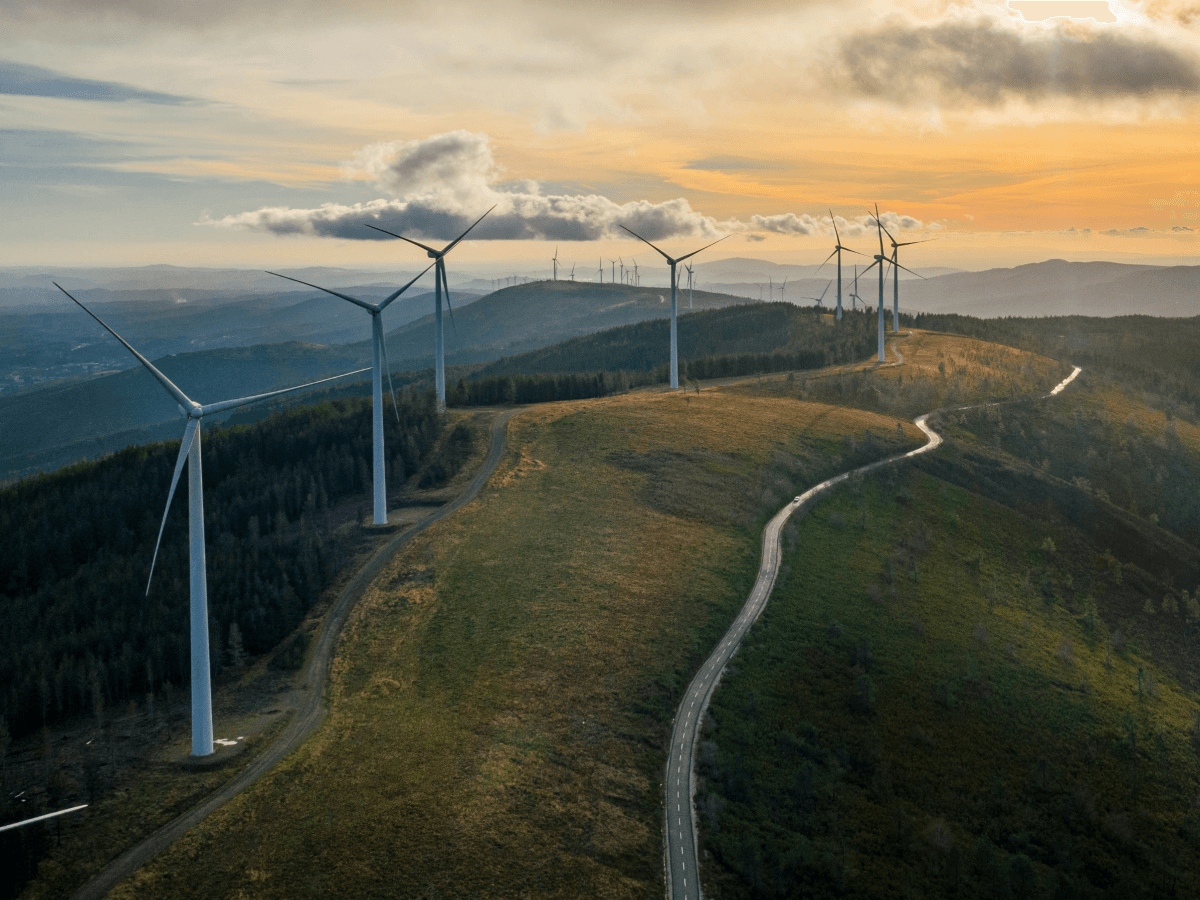
Wind energy is no longer an emerging technology or a supplementary part of the energy mix. Globally, it is becoming the structural backbone of the renewable energy system, providing scale and reliability at a level few other clean technologies can match.
According to the International Energy Agency, wind power generated more than 2,300 terawatt-hours of electricity globally in 2023, making it one of the largest sources of renewable electricity worldwide. Installed capacity has now passed the one-terawatt milestone, with annual additions returning to record levels as countries accelerate investment in domestic, low-carbon power systems.
Wind remains the UK’s biggest source of clean power, generating a record 29.2% of the country’s electricity in 2024 and providing 58% of all renewable electricity in that year.
As the Global Wind Energy Council (GWEC) notes, this scale is underpinned by maturity and deliverability. Onshore and offshore wind are among the most competitive and quickly deployable energy technologies available today, with projects able to move from policy approval to turbines in the ground in as little as 18 months. That combination of speed and scale is why wind is increasingly viewed as core energy infrastructure.
This matters because the energy transition’s focus now transcends decarbonisation and encompasses the specific challenges of energy security, system resilience and long-term affordability. Wind is already deployed at sufficient scale to contribute meaningfully to all three - reducing reliance on imported fuels while supporting domestic supply chains, skilled jobs and industrial capability.
Looking ahead, the role of wind only deepens. All credible net-zero pathways show that global wind installations must accelerate sharply this decade, with wind expected to supply more than 35% of global electricity by 2050, up from around 6% today. From established onshore markets to rapidly expanding offshore programmes across Europe, Asia and the Americas, wind is powering the renewable backbone of the global energy system.
Delivering on the promise: what scaling wind really requires
As wind projects scale, the conversation naturally shifts to how we execute that ambition. When larger farms and turbines are standard, not exceptional, what is required to deliver them?
Offshore wind, in particular, introduces a demanding operating environment: corrosive conditions, limited access windows and long service lives all place additional pressure on design and component integrity. In this context, reliability is fundamental to project viability.
Rightly, the focus must turn to systems and components that physically hold wind infrastructure together. Connection systems, fastening solutions and structural interfaces may be less visible, but they increasingly define risk, safety and lifetime performance across the asset.
Wind as a growth sector for CTB Group
Against this backdrop, wind energy has become one of the fastest-growing sectors within CTB Group’s portfolio.
This growth reflects broader market trends: rapid expansion across European onshore and offshore wind, rising turbine sizes, and increasingly stringent regulatory and certification requirements. As developers and OEMs push for scale and speed, the demand for proven, high-integrity engineered components has intensified.
CTB Group’s role within the wind sector is shaped by these realities. Rather than responding to short-term demand spikes, the Group has aligned its capabilities with the long-term direction of the market - supporting wind projects that require reliability, traceability and technical assurance at scale.
Engineering reliability into wind infrastructure
At the heart of this contribution are large-diameter fasteners designed for wind turbine applications, supporting critical structural connections across towers, foundations and offshore transition pieces.
As turbine dimensions increase, so too do the demands placed on fastening systems. Load transfer, fatigue resistance and long-term performance become central engineering considerations, particularly in offshore environments where maintenance access is limited and failure risk is high.
CTB Group supplies DIBt-certified fasteners for wind turbines, providing an added layer of assurance for projects operating within, or aligned to, European regulatory frameworks. DIBt certification is widely recognised as a benchmark for safety, performance and compliance - particularly for structural components used in demanding infrastructure applications.
For developers and contractors, this certification underpins confidence from installation to the full operational life of the asset.
Proven delivery under regulation and scrutiny
CTB Group’s track record in the wind sector reflects sustained delivery across complex, regulated supply chains.
The Group has supported wind projects across Europe, working within environments shaped by:
- Stringent EU safety and construction standards
- Sustainability and traceability requirements
- Tight project schedules and multi-tier supplier coordination
CTB Group’s experience operating within these constraints has helped position it as a trusted partner for wind infrastructure.
A dependable foundation for the backbone of clean energy
As the GWEC states, “Onshore and offshore wind will be the foundations of the modern energy system, and will define the renewables era.”
Wind is already delivering trillions of kilowatt-hours, attracting hundreds of billions in annual investment, and scaling across both mature and emerging grids.
Delivering these wind projects safely and at scale depends on engineering partners who bring reliability, experience and a proven approach to safety-critical manufacturing.
Across CTB Group, our commitment is clear: to support the continued expansion of onshore and offshore wind with fastening solutions engineered for long-term integrity, regulatory compliance and repeatable delivery. As the sector grows, dependable components and trusted supply chains become essential to keeping the renewable backbone secure.
If you are planning an upcoming wind project, expanding offshore capacity, or navigating evolving certification requirements, CTB Group’s team is available to discuss how our large-diameter, DIBt-certified fastening solutions can support your programme.