A refinery shutdown does not tolerate ambiguity. Nor does a certification body reviewing a technical submission.
In both environments, clarity matters. Expectations must be understood, decisions must be traceable and collaboration must hold under pressure.
At CTB, culture is shaped around those realities. People are expected to prepare thoroughly, to engage across functions early, and to approach risk with discipline. The emphasis is on consistency: in standards, in communication and in accountability.
These behaviours form part of day-to-day operations across sites and teams, and when operational intensity increases, that foundation determines how effectively the organisation performs.

Operational Excellence Under Pressure
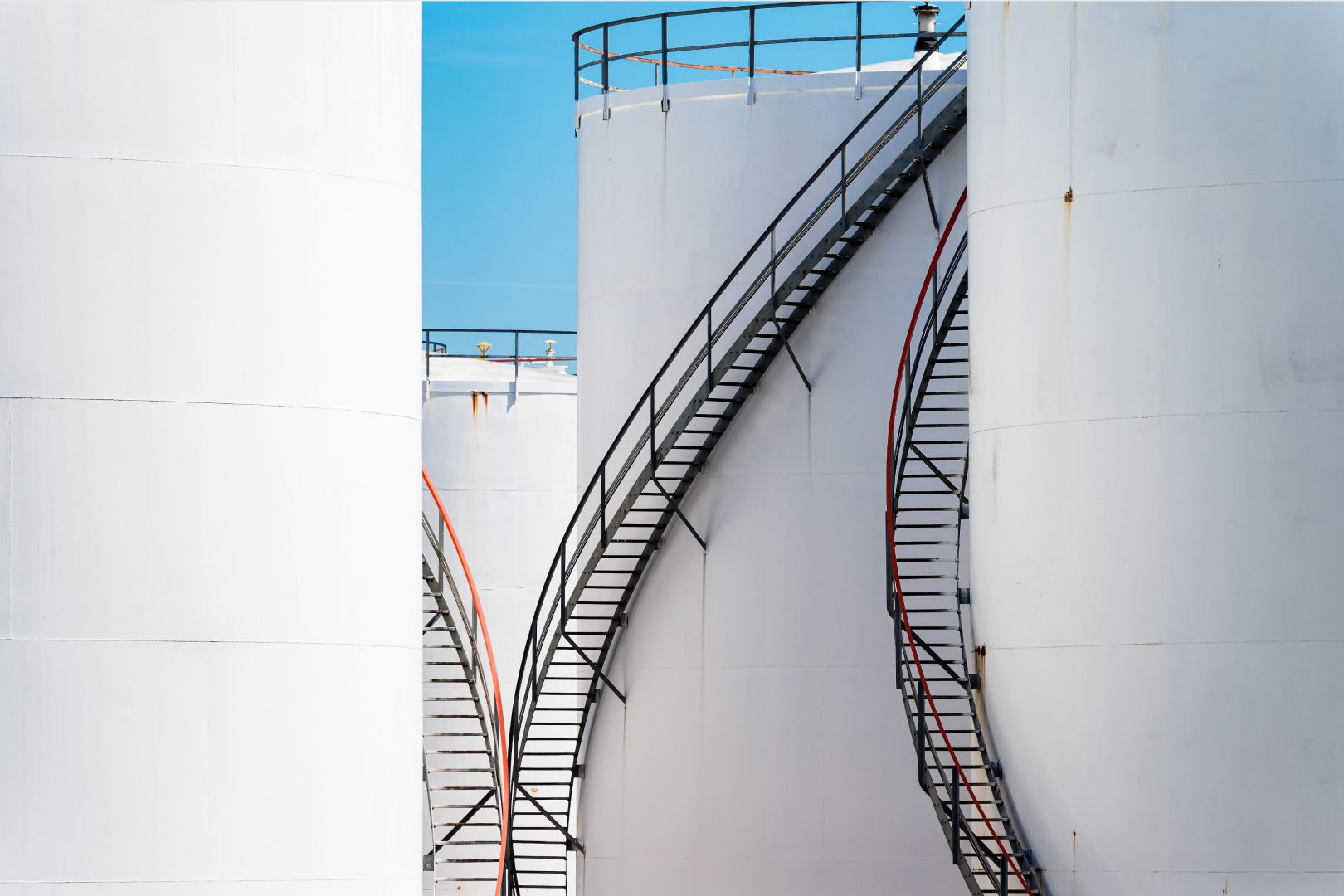
That foundation was tested during the four-month refinery turnaround in Antwerp, involving more than 3,000 maintenance professionals and the management of approximately 230,000 stud bolts.
At that scale, complexity compounds quickly. Installation sequencing shifts. Access constraints change. Supply and specification queries emerge in real time. Maintaining progress depends on how effectively teams communicate and how confidently decisions are made.
Preparation began well before mobilisation. Installation plans were mapped against material availability. An on-site warehouse was established to reduce lead-time exposure and give teams direct visibility over stock. As sequencing evolved, real-time tracking allowed adjustments without creating uncertainty on site.
One of the key challenges was the changing “voice of the customer”. Requirements and handling approaches evolved frequently throughout the shutdown. Each change had to be absorbed, understood and actioned without disrupting the wider programme. The ability to manage those adaptations consistently became central to maintaining control.
What mattered most, however, was alignment between people. Engineering, logistics and operations worked to shared expectations around response times and technical clarification. Queries were channelled through agreed routes, allowing decisions to be made quickly without bypassing quality or safety controls.
For Basco International, a company of just 15 employees, delivering at this scale demanded a great deal from the team. The pressure of a live shutdown environment left little margin for hesitation. As Barneyko Koeck, Business Unit Manager at Basco International, reflected:
“Flexibility wasn’t an option. It was our strength.”
In a shutdown environment, delays often arise from hesitation or fragmented communication. In Antwerp, the pace of coordination held steady because teams were accustomed to working within defined standards rather than negotiating them under pressure.
The result was controlled execution within a fixed operational window - achieved through disciplined collaboration and the ability to adapt without losing momentum.
Certification at Speed
The same approach is required when the pressure comes not from a site schedule, but from regulatory review.
DIBt certification demands detailed technical evidence, traceability and consistency across documentation. In the wider market, approval processes commonly extend to around three years, reflecting the depth of review and the iterative nature of submissions.
For this programme, CTB approached certification as a coordinated engineering effort. Technical data, testing records and manufacturing controls were consolidated across sites before formal submission and internal review stages were introduced to challenge documentation quality and resolve gaps early.
Engineering, quality and operations teams worked from shared documentation standards, reducing duplication and limiting revision cycles once the application entered formal assessment. Queries from the certifying body were routed through defined technical leads, ensuring responses were consistent and evidence-backed.
Through this structured approach, approval was achieved in nine months, while maintaining full technical and quality requirements.
CTB’s Chief Technical Officer, Dave Briggs commented:
“Where the Antwerp shutdown tested coordination at scale, the DIBt programme tested preparation and documentation control. In both cases, performance depended on how our teams worked together before scrutiny intensified.”
Safety as a Performance Standard
While certification subjects the business to external review, internal standards determine how consistently those expectations are met in daily operations.
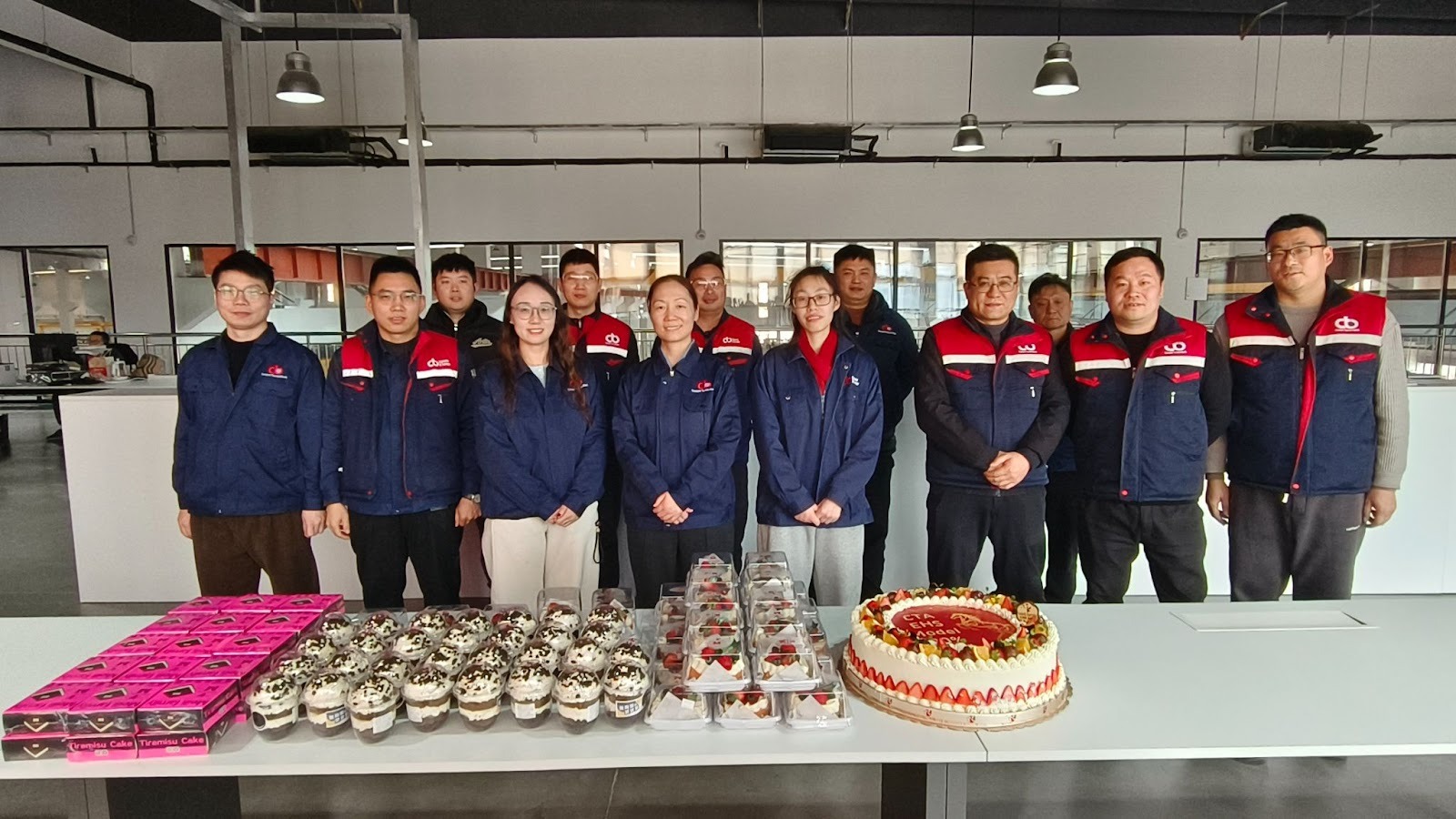
CTA China became the first CTB site to achieve a full 10/10 score under the Group’s EHS Model. The model assesses leadership visibility, proactive risk identification, reporting discipline and the completion of corrective actions across operational teams.
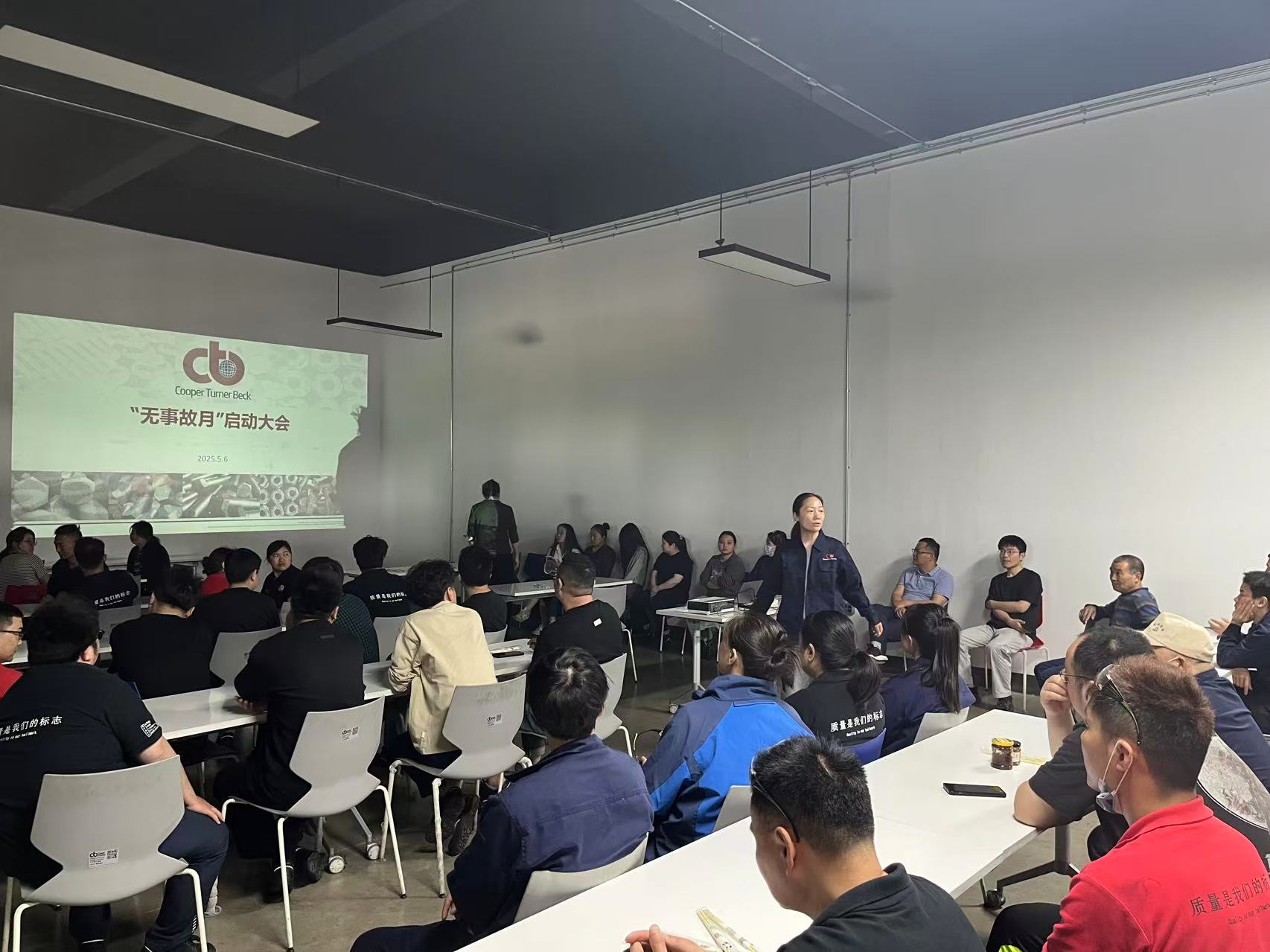
Reaching full alignment required sustained leadership engagement rather than procedural compliance alone. Safety reviews were structured and routine. Observations were documented and tracked through to resolution. Accountability remained visible at site level, supported by Group-wide expectations.
The strength of the model lies in consistency. A shared framework across regions provides clarity around what good looks like, reducing variation as the business grows and integrates new sites. It also reinforces that safety performance is shaped by behaviour - by how leaders review, how teams report and how actions are followed through.
Accountability in Compliance
The same discipline applied to safety standards is increasingly required in environmental and trade compliance.
With the introduction of CBAM and expanding carbon reporting obligations across EU markets, expectations around product-level emissions data are tightening. Compliance now requires coordination across operations, finance and commercial teams, with traceable inputs and audit-ready documentation.
At CTB, responsibility for CBAM readiness was not isolated within a single function. Operational data, supply chain inputs and commercial reporting processes were aligned to establish clear ownership of emissions calculations and supporting evidence. Internal checkpoints were introduced to ensure consistency before submission, reducing exposure to correction cycles or audit challenges.
This shift reflects a broader cultural expectation: regulatory change is addressed early, with defined accountability.
Embedding carbon reporting capability within core workflows also strengthens commercial credibility. Customers increasingly expect transparency around product-level impact, and consistent data management supports informed procurement decisions.
Across safety, certification and environmental compliance, the common thread is structural clarity. When responsibility is defined and standards are visible, regulatory pressure becomes manageable rather than disruptive.
Governance That Enables Scale
As regulatory requirements expand and sector demand increases, informal coordination is no longer sufficient - growth requires structure.
To support this, CTB established a Strategic Programmes function designed to standardise workflows, strengthen reporting clarity and improve visibility across projects and markets. The objective is not additional oversight, but consistency - ensuring that delivery, certification and compliance processes follow defined pathways across the Group.
Standardised documentation templates, clearer reporting lines and improved data management reduce variation between sites. Programme-level oversight enables earlier identification of bottlenecks, resource constraints and compliance risks, supporting more predictable execution.
This governance layer also supports integration as the business evolves. New sites and acquisitions can align to established standards more quickly, reducing disruption and maintaining cultural consistency across regions.
The effect is cumulative: operational delivery, certification readiness, safety leadership and environmental compliance are not managed as isolated initiatives. They are supported by shared processes and defined accountability structures that allow the business to scale without diluting standards.
Across shutdowns, certification, safety and compliance, outcomes are shaped by how people operate within shared expectations. Governance reinforces those expectations, ensuring they remain visible as the organisation scales.
Stay Connected to the People Behind the Projects
At CTB Group, progress is driven by people - across sites, sectors and continents.
Global Connections is our monthly newsletter, sharing the stories that shape our culture: new site developments, team achievements, community initiatives, graduate journeys and the individuals delivering safety-critical solutions around the world.
For a closer look at how CTB Group’s values are lived day to day - and how our global teams stay aligned, adaptable and dependable - subscribe to Global Connections.